Body Scientific Aesthetics

Hormonal & Life-Stage Skin Changes

December 3, 2025

Hormones are powerful chemical messengers that shape our skin from adolescence through menopause. Surges and declines in estrogen, progesterone and androgens influence oil production, hydration and collagen levels. Understanding how these shifts affect the skin helps us tailor routines throughout life.

Puberty


During puberty, rising androgen levels trigger sebaceous glands to produce more oil. This often leads to clogged pores, blackheads and acne. Many teens also experience increased sensitivity and inflammation. Gentle cleansing, oil-free moisturizers and non-comedogenic sunscreen are essential; targeted ingredients like salicylic acid or benzoyl peroxide help keep pores clear.

Pregnancy


Pregnancy is characterized by sharp increases in estrogen and progesterone. Some women notice a “glow” from increased blood flow, but hormonal surges can also cause:

  • Melasma and Hyperpigmentation – Dark patches may appear on the face and neck due to heightened melanin production. Wearing broad-spectrum SPF daily and using vitamin C or azelaic acid can minimize discoloration. 
  • Oiliness or Dryness – Fluctuations in sebum and water retention can make skin unpredictable. Hydrating, gentle formulations and avoiding harsh actives help balance the barrier. 
  • Increased Vascularity – Spider veins and redness may become more pronounced. Products with niacinamide or green tea extract can soothe irritation. 


Since some active ingredients (like prescription retinoids) are contraindicated in pregnancy, it’s important to consult a healthcare provider before starting new products.

Perimenopause and Menopause


Perimenopause (often in the mid-40s) and menopause involve a steep drop in estrogen and progesterone. This hormonal shift triggers several skin changes:

  • Dryness and Thinning – The decline in estrogen reduces hyaluronic acid and ceramides, weakening the skin barrier. Water evaporates more easily, leading to dryness and itchiness. 
  • Loss of Firmness – Collagen and elastin production slow, causing skin to feel less firm and wrinkles to deepen. 
  • Sun Sensitivity and Pigmentation – Reduced lipids in the barrier make skin more susceptible to UV damage and discoloration. 
  • Adult Acne and Facial Hair – Relative increases in androgens can trigger breakouts and facial hair growth. 

Key Ingredients

Ingredient Description
Peptides Encourage collagen production, helping to firm and plump thin or aging skin.
Vitamin C A potent antioxidant that neutralizes free radicals, reduces hyperpigmentation and supports collagen synthesis.
Retinoids Increase cell turnover, refine texture and boost collagen. Teens may use lower-strength retinoids for acne; adults benefit from them for fine lines.
Hyaluronic Acid & Glycerin Humectants that attract water and help dry skin retain moisture.
Ceramides & Squalene Lipids that reinforce the skin barrier, essential when natural ceramide levels fall.

Conclusion


Hormones shape our skin from adolescence to post-menopause, influencing oil production, collagen levels and barrier function. By recognizing how puberty, pregnancy and menopause affect the skin, we can adapt routines to support each phase. Encourage clients to combine targeted ingredients—peptides, vitamin C, retinoids, humectants and ceramides—with healthy lifestyle habits and, when appropriate, professional treatments. This holistic approach ensures resilient, glowing skin at every stage of life.

December 3, 2025
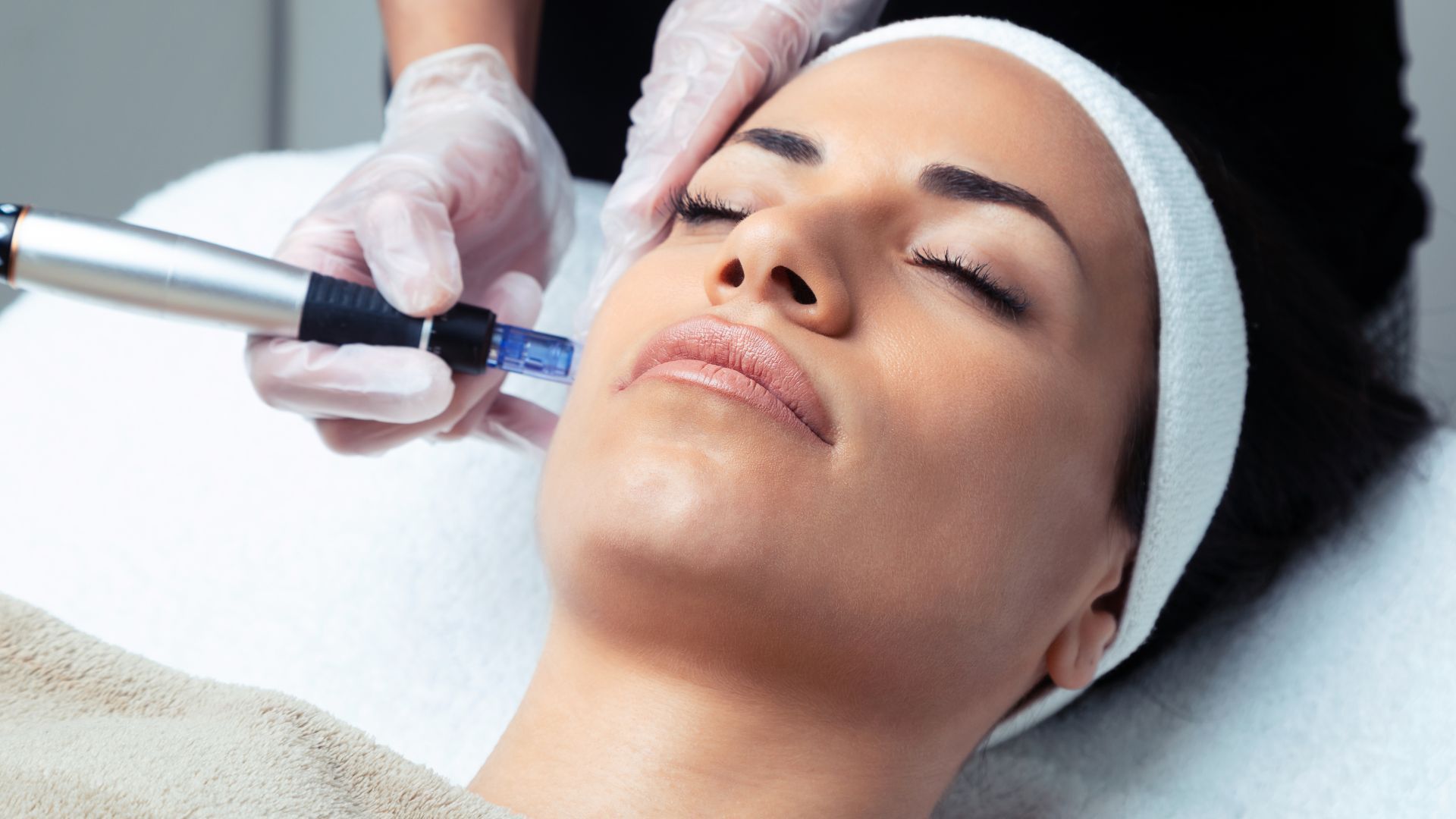
Why the Neck Ages Quickly The neck and décolleté have fewer oil glands and thinner skin than the face, so they show sun damage and collagen loss sooner. This area is constantly exposed to sunlight and is in motion whenever we turn our head, contributing to crepey texture, sagging, and pigmentation. Understanding Neck Care Clients today want targeted products that address firmness, texture, and tone. Advanced neck formulas contain ingredients that penetrate deeper and support collagen for a smoother, tighter appearance. Key Ingredients: Peptides: Encourage collagen production to firm and plump thin skin. Retinoids: Increase cell turnover and collagen synthesis. Start slow. Vitamin C: Protects skin from free‑radical damage and brightens pigmentation. Hyaluronic Acid & Ceramides: Attract and lock in moisture. At‑Home Care Tips Apply SPF daily. Extend facial products to the neck using upward strokes. Use gentle exfoliation with lactic or glycolic acid. Consistency matters—daily care produces better results. Professional Treatments Radio‑frequency skin tightening stimulates collagen and firms lax neck skin. Microneedling triggers collagen formation and enhances texture, especially when paired with peptides or PRP. Body‑contouring options can reduce submental fullness and complement neck care. Takeaway The neck and décolleté deserve the same attention as the face. Combine targeted at‑home care with professional treatments for a comprehensive approach to achieving a smoother, more youthful neckline.
November 20, 2025
Discover how early non-invasive treatments like microneedling, radio-frequency, and TCA resurfacing preserve collagen and elastin. Body Scientific Aesthetics in Timonium provides decade-by-decade skincare and treatment guidance for youthful, healthy skin.
November 20, 2025
Discover why consistent monthly facials, chemical peels, and maintenance visits deliver lasting skin results. Body Scientific Aesthetics in Timonium explains the science behind regular treatments and how they enhance your aesthetic investment.
November 20, 2025
Discover advanced Physiq body contouring in Towson, MD at Body Scientific Aesthetics. Clinically proven fat reduction and muscle toning by nurse practitioners.
November 20, 2025
Learn the difference between dry and dehydrated skin and why mineral-rich electrolytes (sodium, calcium, potassium) are redefining hydration. Discover how Body Scientific Aesthetics in Timonium uses PCA hydration facials and treatments dfor next-level moisture.
November 20, 2025
Plan your perfect 30‑day holiday skin care countdown with Body Scientific Aesthetics in Timonium. Learn when to schedule facials, peels, injectables and at‑home regimens to achieve a luminous glow for the holiday season.
November 20, 2025
Experience advanced body sculpting and body contouring with PHYSIQ at Body Scientific Aesthetics in Baltimore County. Tighten, tone, and redefine your physique using cutting-edge technology, medical weight loss, and expert care.
November 15, 2025
Botox is a formulation of botulinum toxin Type A used as a neurotoxin injection to reduce dynamic facial wrinkles by temporarily blocking nerve signals to muscles, and it typically produces visible smoothing for about 3–4 months. This article explains what to expect after a single treatment, the usual onset and peak timelines, and why individual results often range from roughly 2 to 6 months, depending on physiological and procedural factors. Many readers want a clear timeline and practical steps to extend results; this guide provides concise timelines, a quick comparison of common treatment areas, and evidence-aligned aftercare and scheduling strategies. You will learn how metabolism, muscle mass, dose, and treatment area change longevity, plus actionable maintenance habits that support longer intervals between sessions. The article maps to four focused sections: typical duration and timeline, factors that influence longevity, how to maximize and extend results, and how often to schedule treatments for maintenance. Throughout, targeted terms like "botox duration," "botox results timeline," and "factors affecting botox longevity" are used to make clinical explanations and practical advice easy to scan and apply. What Is the Typical Duration of Botox Results? Botox typically lasts 3–4 months; individual responses can vary from about 2 to 6 months depending on dose, muscle activity, and biology. The mechanism is straightforward: botulinum toxin blocks acetylcholine release at the neuromuscular junction, reducing muscle contraction and smoothing dynamic lines until nerve terminals recover. Understanding onset, peak, and fade helps set expectations and plan maintenance appointments. Below is a quick reference comparing common facial treatment areas and their usual duration ranges. Different treatment areas show predictable variation in longevity based on muscle size and use.
November 15, 2025
How To Prepare For Botox: Essential Pre-Treatment Guidelines You Must Know Botox is a cosmetic injection using Botulinum Toxin Type A that relaxes targeted facial muscles to smooth dynamic lines and improve facial symmetry. Following clearly defined pre-treatment guidelines enhances the cosmetic outcome and supports a smooth experience. This guide explains what medications and supplements to pause, which lifestyle changes matter, how to prep your skin, and a practical day-of checklist so you arrive ready and informed. You will learn why certain drugs increase bleeding risk at a microvascular level, which topical products or in-office treatments to avoid, and simple disclosure and hydration steps that improve safety and comfort. The article covers medication/supplement stop-times, lifestyle windows for alcohol and exercise, skin-condition criteria for proceeding, and a concise day-of checklist optimized for quick answers. What Medications and Supplements Should You Avoid Before Botox? Medications and supplements that impair platelet function or coagulation can affect the injection site. Stopping these agents for an appropriate window supports optimal healing and improves both immediate appearance and the injector's ability to treat precisely. Below is a short prioritized list of the highest-risk items and one-line stop-times for quick reference, followed by a more detailed table that maps common entities to their impact and recommended stop intervals. Understanding the physiological mechanism behind each recommendation helps you discuss safe plans with prescribers when needed. Common high-risk items to consider stopping before treatment: NSAIDs (ibuprofen, naproxen) : stop 3–7 days before to reduce platelet inhibition. Aspirin : stop 7–10 days before, only if medically approved by prescriber. High-dose fish oil/Vitamin E : stop 7–14 days before due to anticoagulant effects. The following table summarizes representative medications and supplements with suggested stop-times and context.
November 12, 2025
Learn how to choose the right provider for Botox in Towson. Discover safety tips, questions to ask, qualifications to look for, treatment area explanations, and how to find the best Towson medical spa for Botox, Xeomin, Dysport, and Jeuveau injections.